


“How Lili Montes is Building the Future of Travel Journalism Through Authentic Voices”
Written By Natalie Matzuka
Student Journalist at the University of California, Santa Barbara
Travelers around the world desire a deeper connection to the places they explore. People want authenticity, unforgettable experiences, and the hidden gems that can be hard to find in curated itineraries. For most people, planning trips can be exhausting, from scrolling through reviews, saving locations, and building day-by-day plans; this structure can dull the anticipation and freedom of exploring.
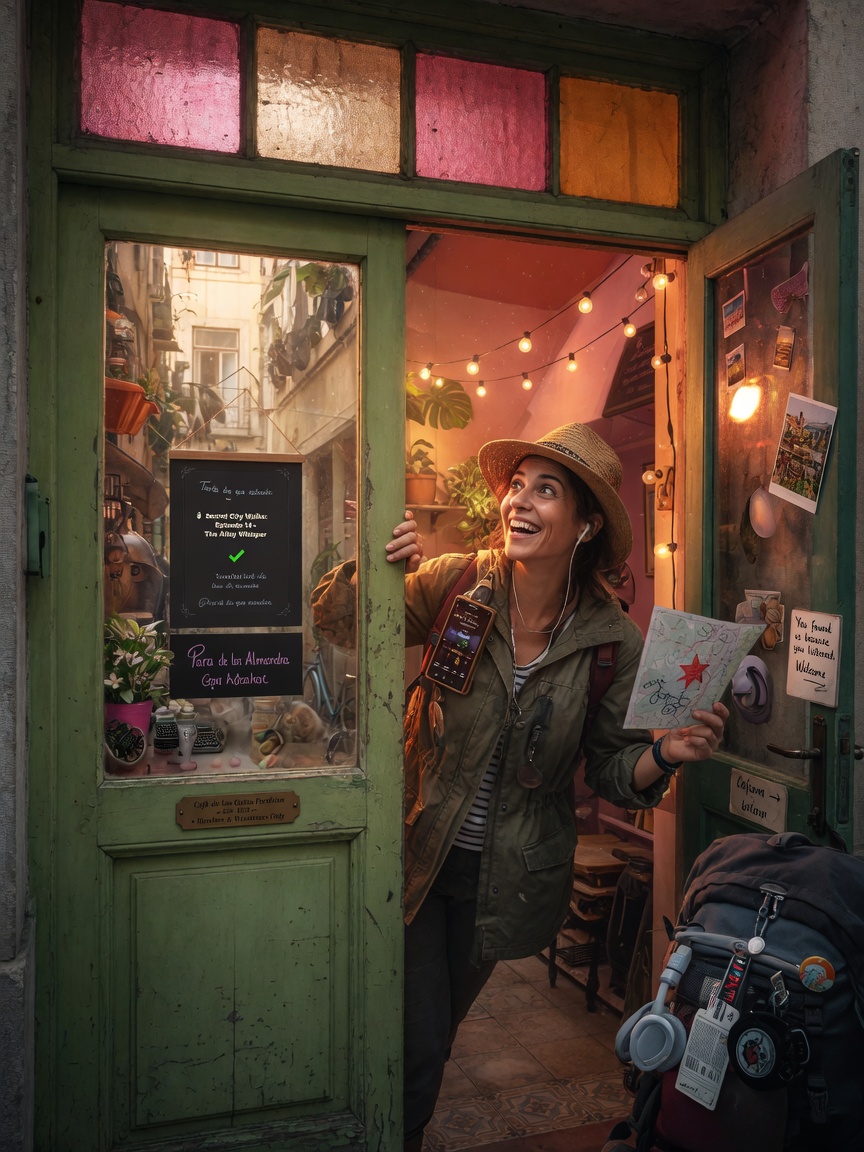
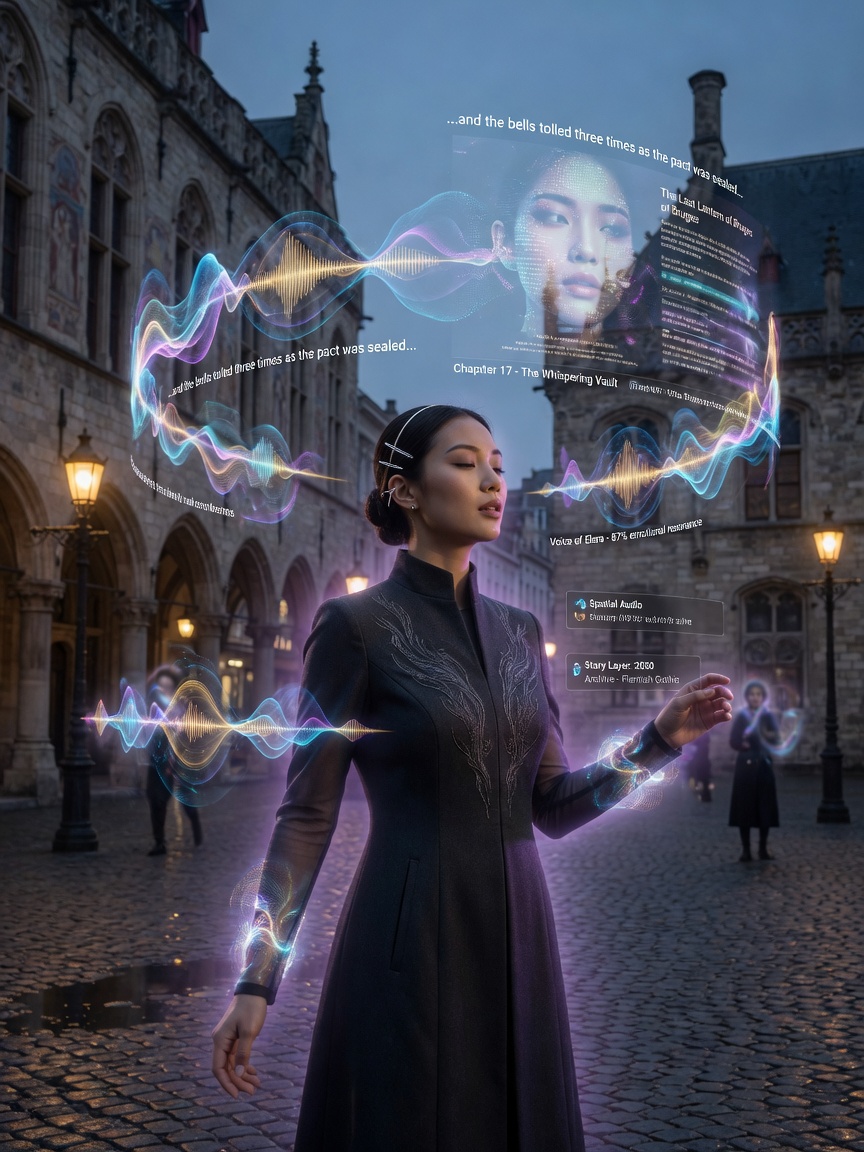
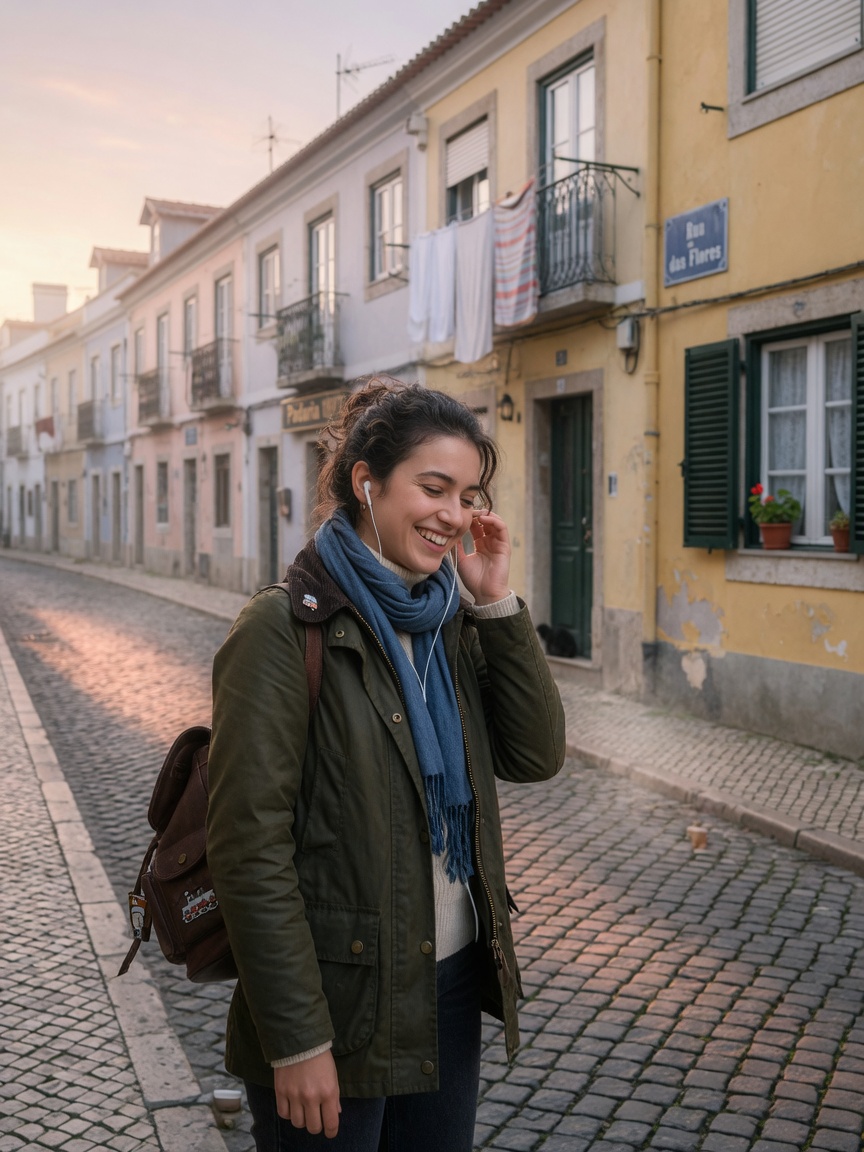
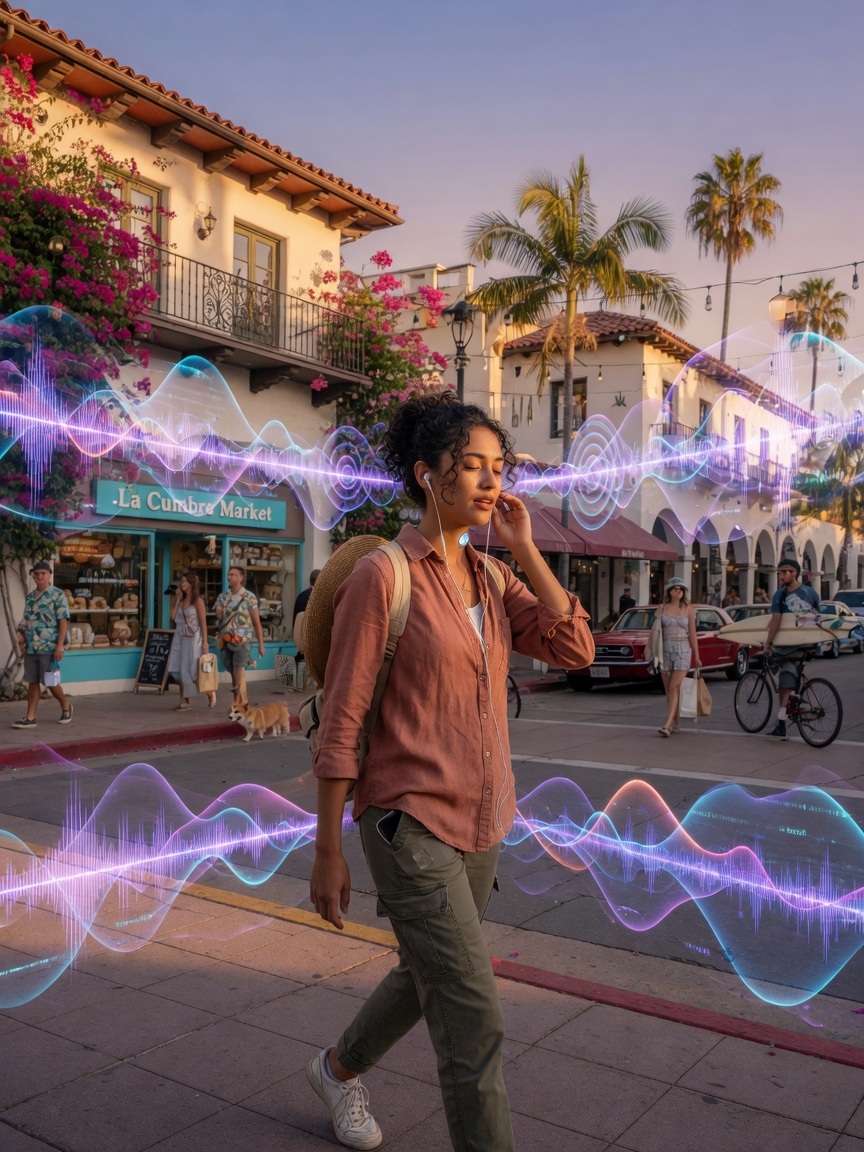
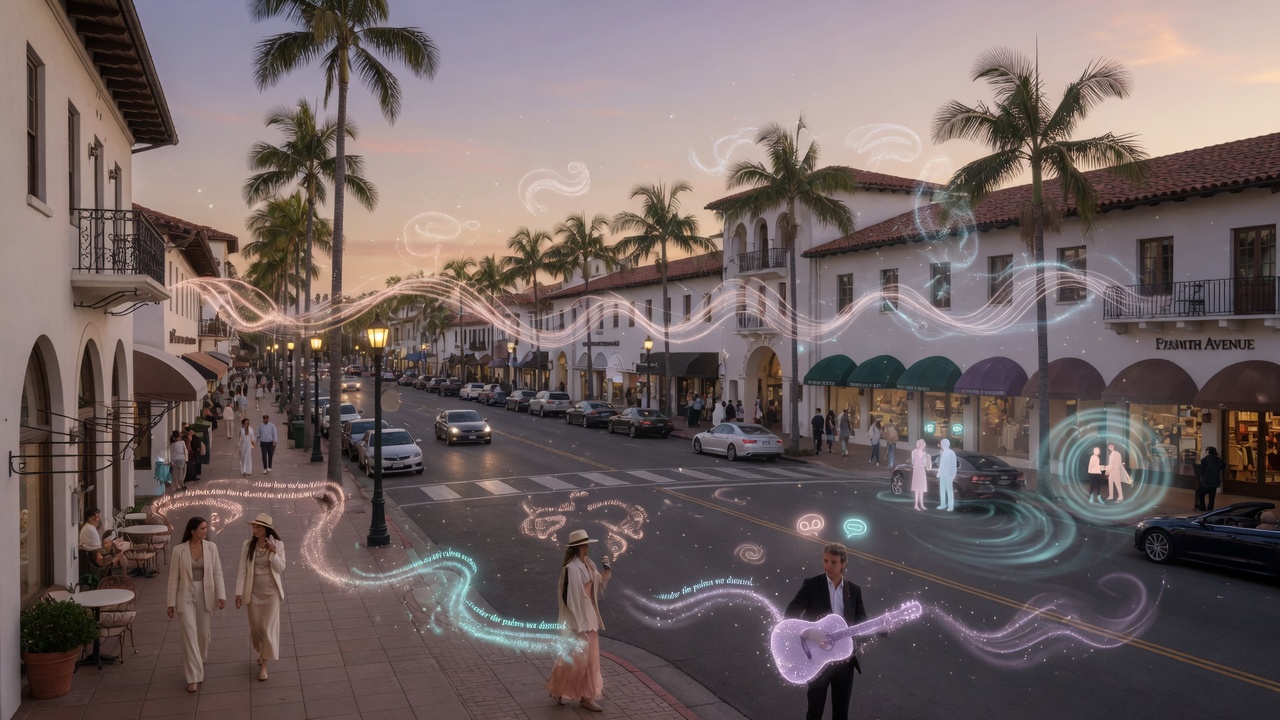
But one day in the future, a traveler could walk down State Street in Santa Barbara, California, and pause. Voices of past travelers, unfiltered and immediate, become part of the environment itself. A deep laughter about an experience someone had just steps away initiates a slight smirk from the listener, layered invisibly into the space for others to discover on the go. As they continue walking, they are guided through the experience of another, reflecting and reshaping their own adventure in real time.
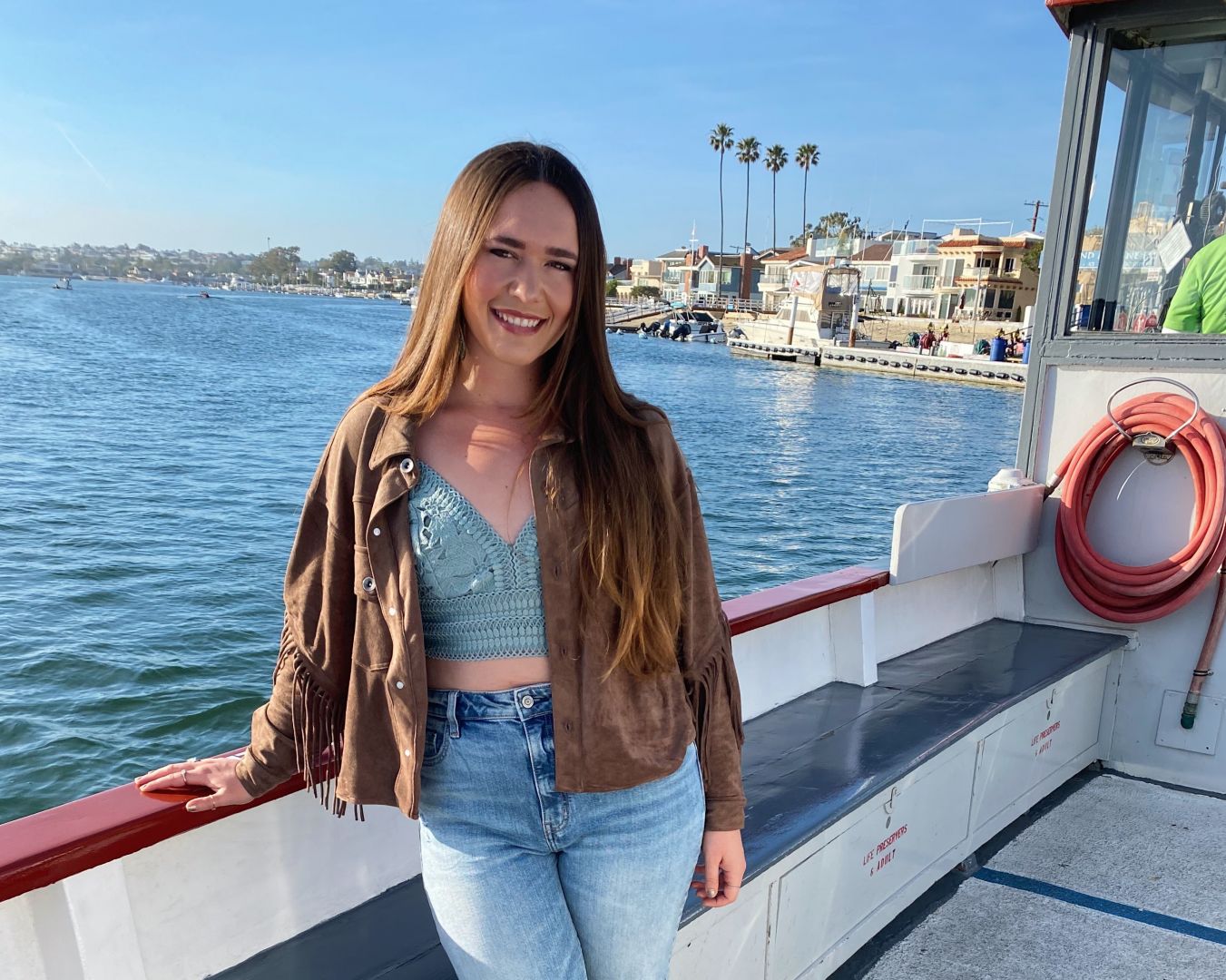
This is the future Lili Montes, founder of the travel-storytelling app Limon, imagines a world where travel is no longer defined by curated images or star ratings, but by human voices embedded directly into the place travelers find themselves in.
Growing up in Livermore, California, Montes was surrounded by a common complaint that there was never anything to do. What she realized was, there were actually things to do, but finding them was difficult. To her, the discovery process has always felt incomplete, a collection of ratings and photos say very little about what a place actually feels like.
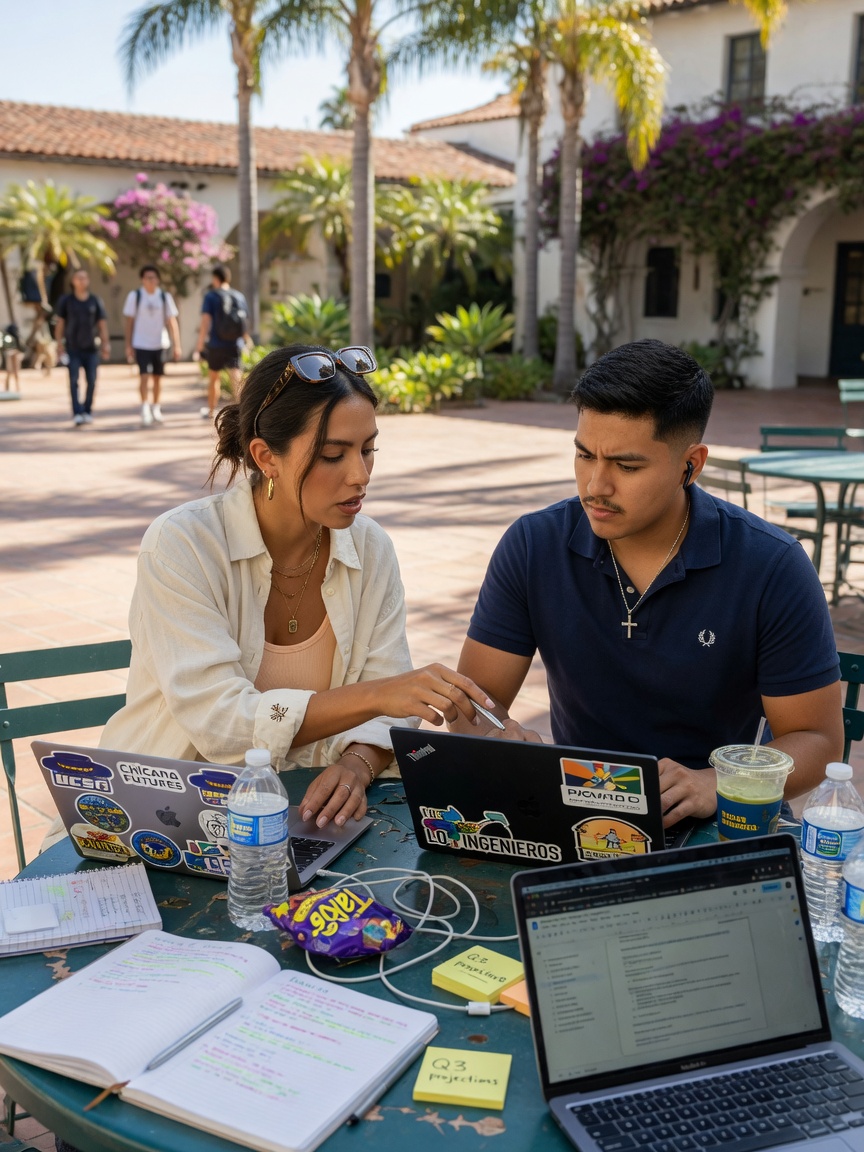
By the time she attended the University of California, Santa Barbara, she and her brother, Ramon, dove deeper into the travel industry looking for problems to solve. They found a way to fill this gap, but the idea for Limon didn’t come from inspiration alone, it came from passion. When searching for places online, Montes, along with many others, found themselves navigating through hollow information. Platforms like Yelp or TripAdvisor offered only fragments of their experience, “you would see a sentence about someone’s experience, some photos, maybe a five-star, but that doesn’t give any context to what a person’s experience was like or unique stories you could only get by talking or listening to someone,” said Montes.
Social media platforms were no different, it reduced the travel experience as people would “try to show off where they had been,” she said, “but it was missing the personal stories behind it.” In the midst of all the reviews, itineraries, and “must-see” lists, the important elements of traveling were missing: authenticity and connection.
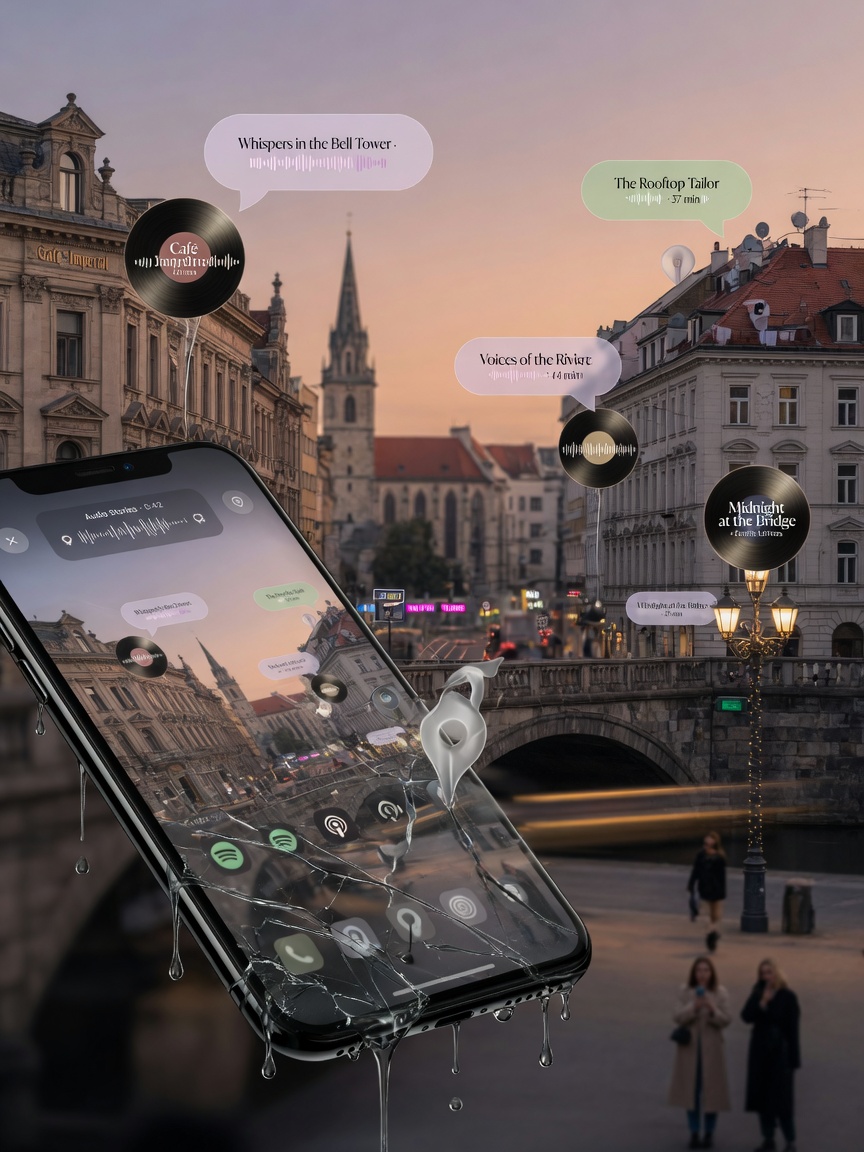
This insight became the foundation of Limon, an app built around audio storytelling. Instead of static recommendations, users record and share spoken reflections from their travels, creating a feed of lived experiences rather than curated highlights. “Audio is known to be the most authentic form of media,” said Montes. “It allows people to actually reflect on what they went through, what changed them.”
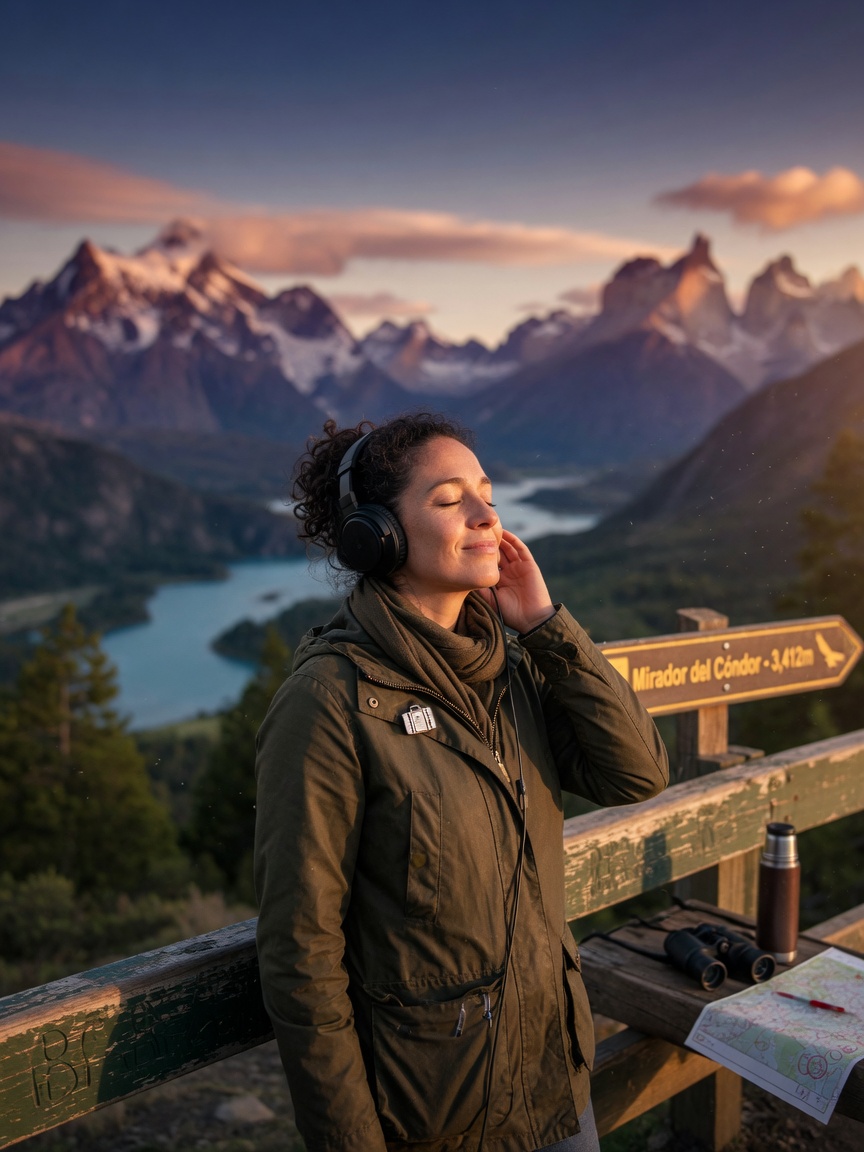
But when she imagines the platform decades from now, the screen itself begins to disappear. By 2050, Montes envisions storytelling woven directly into the act of moving through the world. Travelers no longer sit down to plan every detail in advance. Instead, as they walk through unfamiliar places, they are prompted to candidly speak, to describe what they see, what surprised them, what they loved and what they didn’t. These voices attach themselves to physical locations, transforming streets, storefronts, and landmarks into layered archives of human experience.
“You’re able to, on your trip, create the story,” said Montes. “But then also pick out your next spots you’re going to based on the stories you hear.” The process becomes fluid, unfolding in real time rather than through predetermined itineraries.
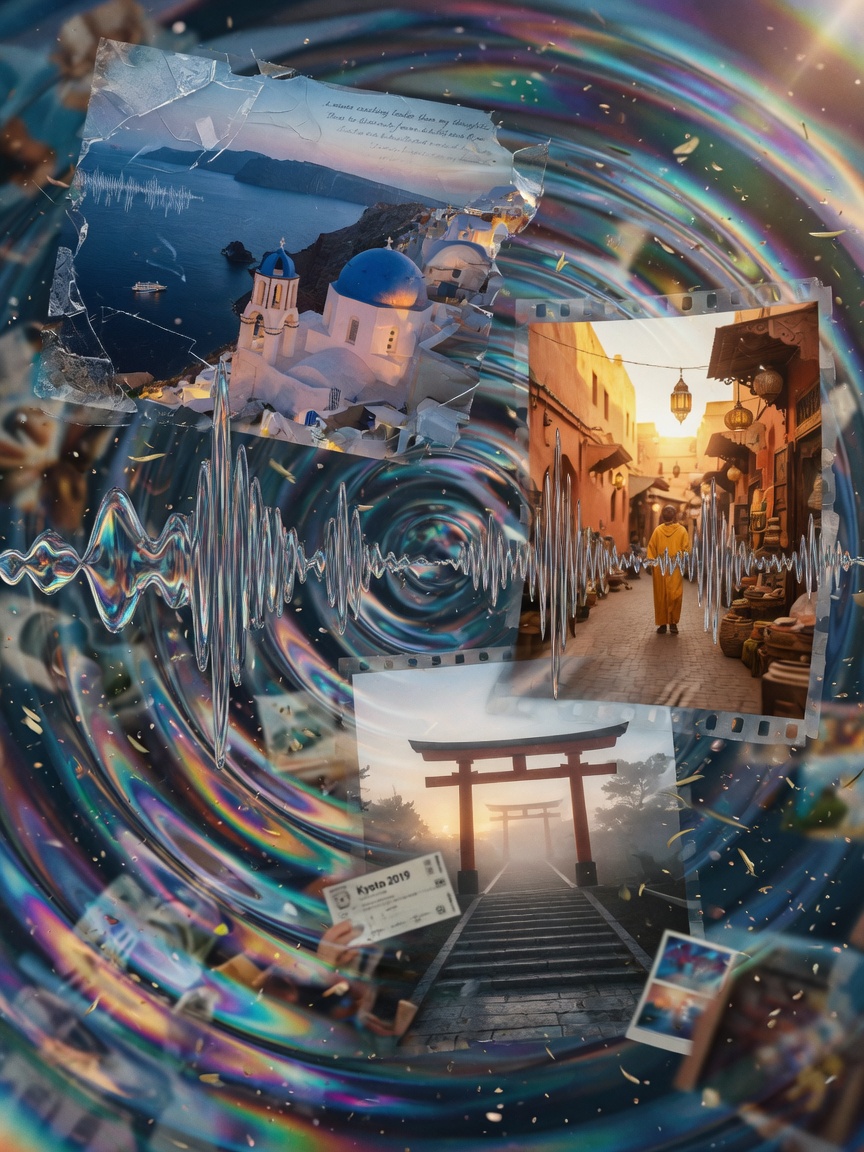
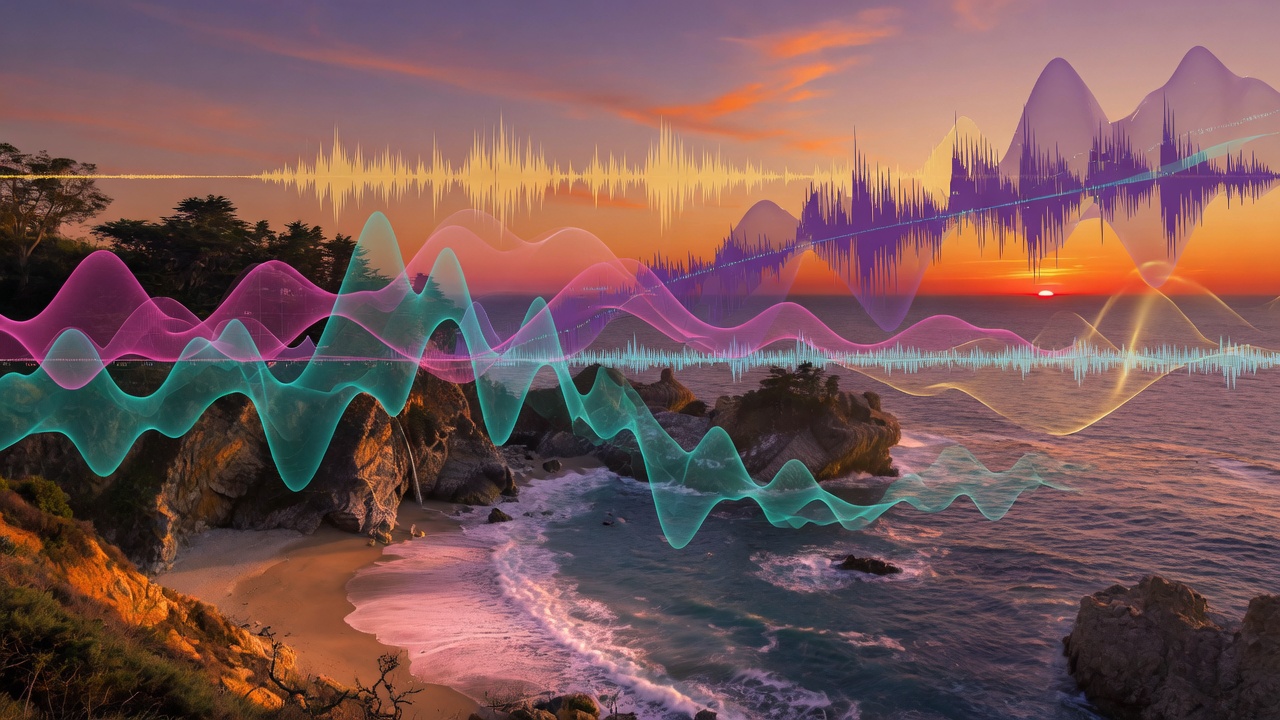
In her vision, the environment becomes interactive. A person standing on a corner may hear multiple perspectives at once, a favorite meal, a hidden spot, a moment of personal growth, all tied to that exact place. These stories do not only exist in isolation, as physical spaces begin to form around them. A soft ambient audio fills the space, overlapping voices creating a low, constant hum. Strangers becoming participants, reacting together, and adding their own stories on the spot.
Travel becomes less about following directions and more about navigating through the voices of others, while making a mark using your own. It is not the reviews and five-stars that connect people to a place, but the memories and stories we make while experiencing it.
Technology is a vital playmaker in the future of Limon. With artificial intelligence evolving, Montes believes AI can act as a guide, filtering and personalizing the vast amount of content available. Learning travelers habits, preferences, and values can personalize recommended stories that feel both relevant and immediate.
“The better that AI becomes, the better it’s going to get to know you,” said Montes, describing a system that can surface meaningful experiences without overwhelming users. Still, she emphasizes that technology cannot replicate what makes travel meaningful, “Human storytelling is always going to be at the core,” said Montes. “Those lived experiences, you can’t replace that.”
Even as the platform evolves digitally, her vision remains grounded in human connection. For Limon, communal conversations bring people together, sharing stories rather than speaking in isolation. In the future, she sees blending digital interaction with physical gathering spaces and shared experiences, bringing the human element you experience while traveling into the content you create for it.
For an audio travel journalism app like Limon, the future is shaped by external forces such as technological advancement and shifting user behavior, as much as it is by the founders own intentions. However, Montes continues to work with, rather than against the test of time and technological improvements, and build Limon into a platform that carries authentic voices and continues toward a version of audio storytelling she believes could exist.
At its core, Montes’s work is driven by a single problem she has been trying to solve since the beginning: how to help people discover places through voices they trust. Now, and in the future, Limon is the answer to that gap.
In that world, travel is no longer reduced to ratings or rankings. Instead, it is something heard, felt, and continuously reshaped, one voice at a time.
A Story In Itself: The Story Behind Limon Day Trips
Travelers today crave more than polished itineraries and five-star ratings. They seek genuine connection, hidden gems, and stories that bring destinations to life. Lili Montes, a visionary student journalist at the University of California, Santa Barbara and founder of the travel-storytelling app Limon, is pioneering a new era of travel journalism centered on authentic human voices.
Her innovative platform transforms how we explore the world by replacing static reviews with immersive audio narratives that attach directly to physical locations. This approach promises to make travel more spontaneous, personal, and deeply meaningful.
Image Grid 1

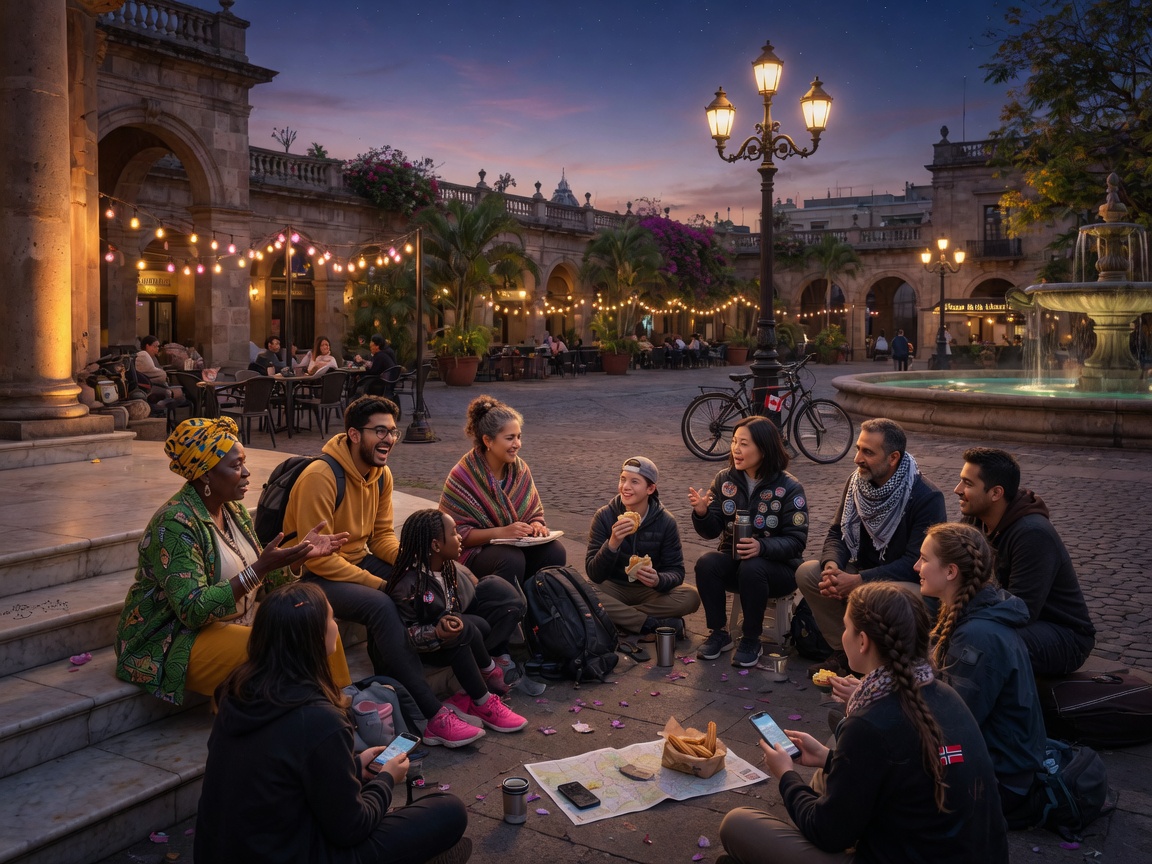
The Problem With Traditional Travel Discovery
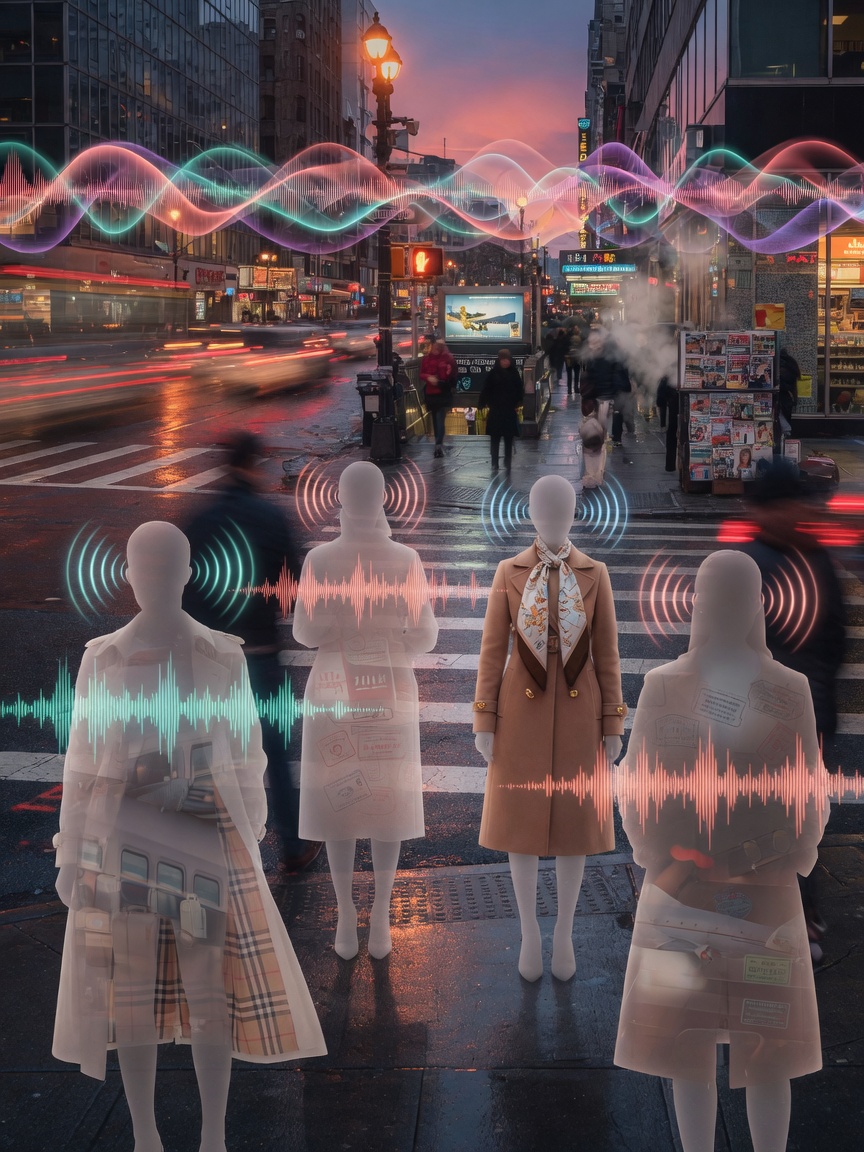
Growing up in Livermore, California, Lili Montes frequently heard the complaint that “there was nothing to do.” Yet she realized the real issue wasn’t a lack of activities but the difficulty in discovering them. Online reviews, star ratings, and curated social media posts failed to capture the true essence of a place.
While platforms like Yelp, TripAdvisor, and Instagram provide fragments of information, they rarely convey the emotional texture of an experience. Montes observed that travelers were left navigating hollow content that lacked context, personality, and the unique stories that only come from personal reflection.
“You would see a sentence about someone’s experience, some photos, maybe a five-star rating, but that doesn’t give any context to what a person’s experience was like or the unique stories you could only get by talking or listening to someone.” — Lili Montes
Image Grid 2
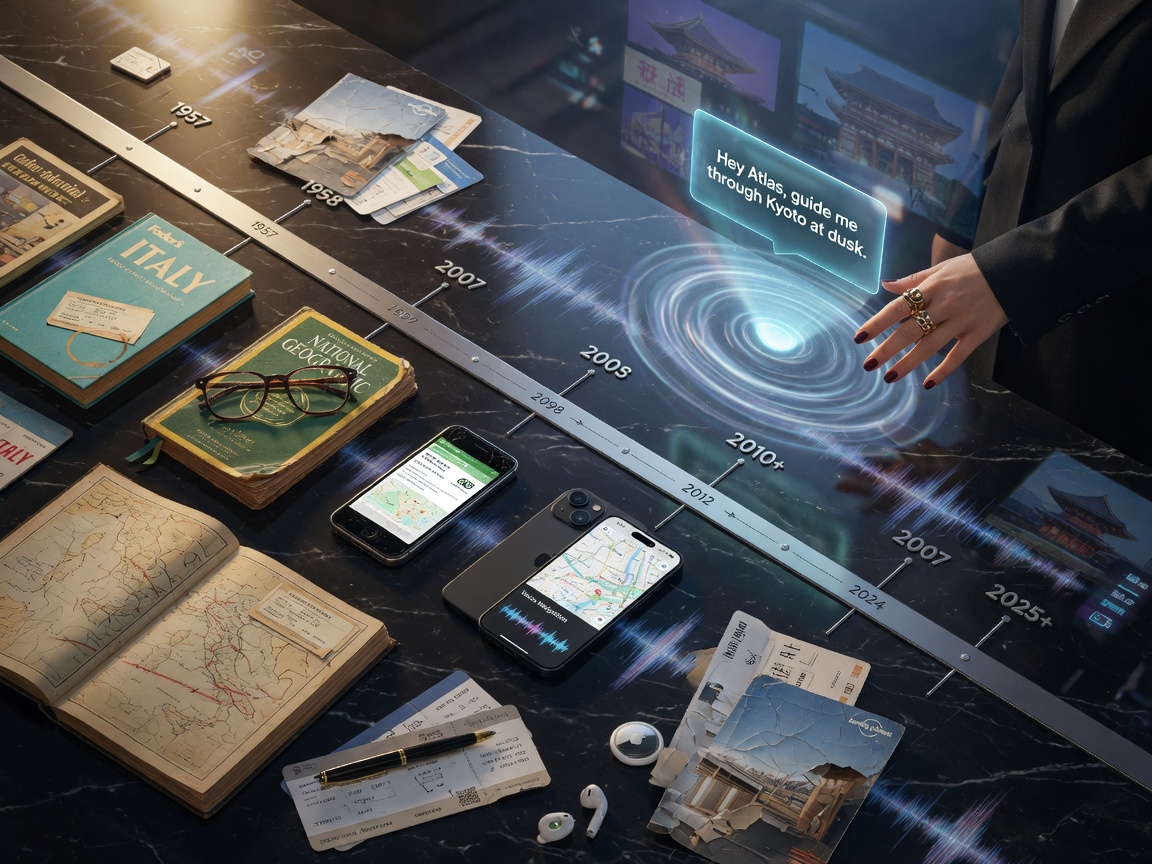

This insight became the catalyst for Limon, an audio-first travel storytelling application designed to bridge the authenticity gap in modern travel platforms.
The Birth of Limon: From Frustration to Innovation
While studying at UC Santa Barbara, Montes collaborated with her brother Ramon to explore unmet needs within the travel industry. Their research revealed that both traditional review sites and social media reduced travel experiences to performative highlights rather than meaningful narratives.
Limon emerged from this realization. The app allows users to record and share spoken reflections from their journeys, creating a rich feed of lived experiences instead of filtered images and generic recommendations. Montes emphasizes that audio stands out as the most authentic form of media because it captures tone, emotion, and genuine reflection.
Users don’t simply rate locations—they tell stories about what surprised them, what moved them, and how a place changed their perspective. These audio stories become discoverable by others exploring the same areas, turning travel into a collective, evolving conversation.
Envisioning a Voice-Embedded World by 2050
Lili Montes’s vision extends far beyond today’s mobile applications. She imagines a future where the screen itself begins to disappear and storytelling becomes seamlessly integrated into the physical environment.
By 2050, travelers walking down streets like State Street in Santa Barbara might encounter layers of human voices embedded in the very spaces they explore. A quiet corner could contain laughter from a memorable meal, reflections on personal growth, or whispered recommendations for hidden viewpoints.
Key Elements of Montes’s 2050 Vision
- Spontaneous Storytelling: Travelers record candid reflections in the moment rather than crafting perfect posts later.
- Location-Based Audio Layers: Stories attach to specific GPS coordinates, creating an invisible archive of human experience.
- Real-Time Discovery: Instead of pre-planned itineraries, travelers navigate through compelling stories they encounter along their path.
- Multi-Perspective Experiences: Multiple voices at one location offer diverse viewpoints, enriching understanding of a place.
- Ambient Audio Atmosphere: Soft, overlapping voices create an atmospheric hum that makes spaces feel alive with collective memory.
This approach transforms travel from a checklist of attractions into a fluid journey shaped by human connection and authentic discovery.
How Limon Changes the Travel Experience
Traditional travel planning often diminishes excitement by over-structuring every moment. Limon aims to restore spontaneity while still providing valuable guidance through the voices of fellow travelers.
Users can create their own stories while simultaneously discovering where to go next based on the most compelling narratives they hear. The process becomes organic—travelers follow emotional resonance rather than rigid schedules.
The platform encourages users to reflect on their experiences in real time, deepening their connection to places and fostering more mindful travel. By hearing unfiltered stories, travelers gain insights that go far beyond typical tourist information.
The Role of Artificial Intelligence in Authentic Storytelling
While human voices remain at the heart of Limon, Montes recognizes the powerful role artificial intelligence will play in scaling and personalizing the experience.
Advanced AI can analyze user preferences, travel habits, and values to surface the most relevant stories without overwhelming users with content. As AI grows more sophisticated, it will better understand individual travelers and help them discover voices that resonate with their unique perspectives.
“The better that AI becomes, the better it’s going to get to know you.” — Lili Montes
However, Montes is clear that technology must support rather than replace human storytelling. “Human storytelling is always going to be at the core,” she asserts. “Those lived experiences, you can’t replace that.”
Building Community Through Shared Experiences
Beyond digital interaction, Montes envisions Limon fostering real-world community. The platform could eventually blend virtual storytelling with physical gathering spaces where travelers share experiences face-to-face.
This hybrid approach maintains the human element essential to meaningful travel while leveraging technology to connect people across distances. The goal is creating a global community bound by curiosity, openness, and the desire to understand places through others’ eyes.
Overcoming Challenges in Audio Travel Journalism
Building a platform centered on authentic voices comes with significant challenges. Content moderation, audio quality, privacy concerns, and encouraging consistent participation are all critical considerations.
Montes and her team continue refining Limon’s approach to balance scalability with maintaining the genuine, unfiltered quality that makes the platform special. Their work with emerging technologies aims to preserve authenticity while creating sustainable growth.
The Future of Travel Journalism
Lili Montes represents a new generation of travel journalists who understand that the most powerful stories come from unscripted human voices rather than professional narration or marketing copy.
Her work challenges the industry to move beyond superficial recommendations toward deeper, more meaningful ways of connecting people with places. By embedding stories in the physical world, Limon has the potential to transform how we experience travel at a fundamental level.
As travel continues evolving in our increasingly digital world, platforms like Limon remind us that the most valuable discoveries often come through listening—to places, to people, and to our own evolving perspectives.
Conclusion: One Voice at a Time
Lili Montes’s journey from recognizing the limitations of traditional travel platforms to building Limon demonstrates the power of solving personal frustrations at scale. Her vision offers a compelling alternative to conventional travel media—one where authenticity, spontaneity, and human connection take center stage.
In the world Montes is helping create, travel is no longer reduced to ratings or rankings. Instead, it becomes something heard, felt, and continuously reshaped through the voices of fellow explorers. One authentic story at a time, Limon is building a richer, more connected future for travel journalism and the travelers it serves.